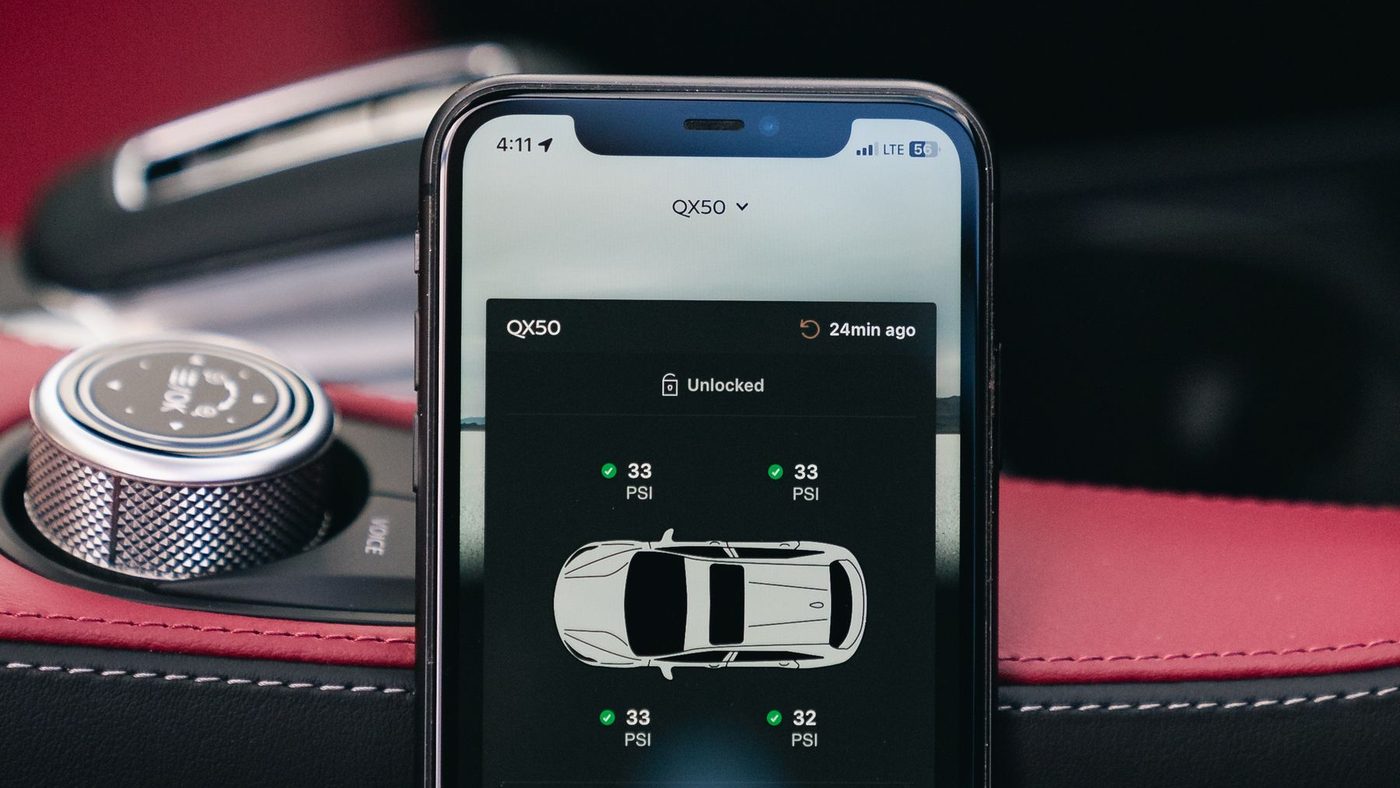
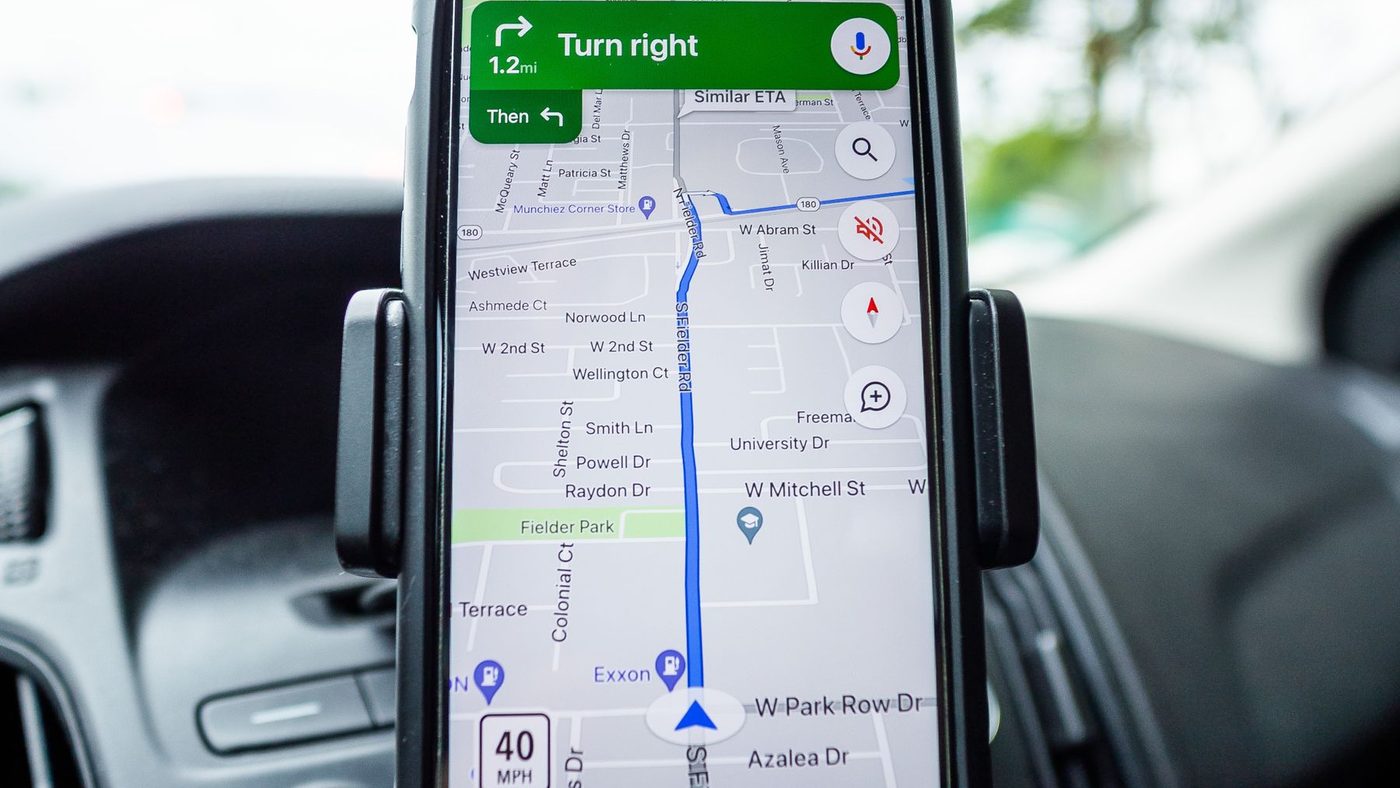
Telematics is the combination of telecommunications and informatics —
which explains nothing useful. In practice it means: the vehicle knows things about
itself, and now it can tell you.
The four parts
- Positioning. A GPS receiver establishes where the vehicle is,
how fast it is moving and in which direction.
- Vehicle data. The on-board diagnostics port and attached sensors
supply ignition state, engine hours, fuel level, temperature, door state and
driver ID.
- Transmission. A GSM/GPRS modem sends it onward, with an offline
logger holding data through coverage gaps.
- The platform. Software that turns a stream of coordinates and
sensor readings into trips, alerts and reports.
The first three are close to commodity. The fourth is where deployments succeed or
quietly die.
From data to decision
Raw telematics output is unusable — thousands of position records per vehicle per day.
The value comes from aggregation: coordinates become trips bounded by ignition events;
trips become mileage, idle time and stop analysis; those become a fuel cost per route
and a scorecard per driver.
Each layer discards detail in exchange for meaning. A platform that only shows you the
bottom layer has handed you a data problem rather than solved one.
What's actually changing
Sensor cost is falling, which puts fuel probes and temperature monitoring within reach
of smaller fleets. Integration is becoming the expectation rather than a premium
feature — tracking data increasingly needs to live in the ERP or dispatch system
rather than a separate portal. And the emphasis is shifting from monitoring to
prediction, particularly for maintenance scheduled on real usage.
The honest limitation
Telematics tells you what happened and where. It does not tell you why. A vehicle that
idled for 40 minutes might have a driver taking an unauthorised break, or a customer
who kept them waiting. The data starts the conversation; it does not finish it. Fleets
that treat it as evidence get value. Fleets that treat it as a verdict get resentment
and, eventually, sabotaged hardware.