"Real-time" is the least precise word in this industry. Before comparing
providers, it is worth knowing exactly what you are comparing.
What "real-time" actually means
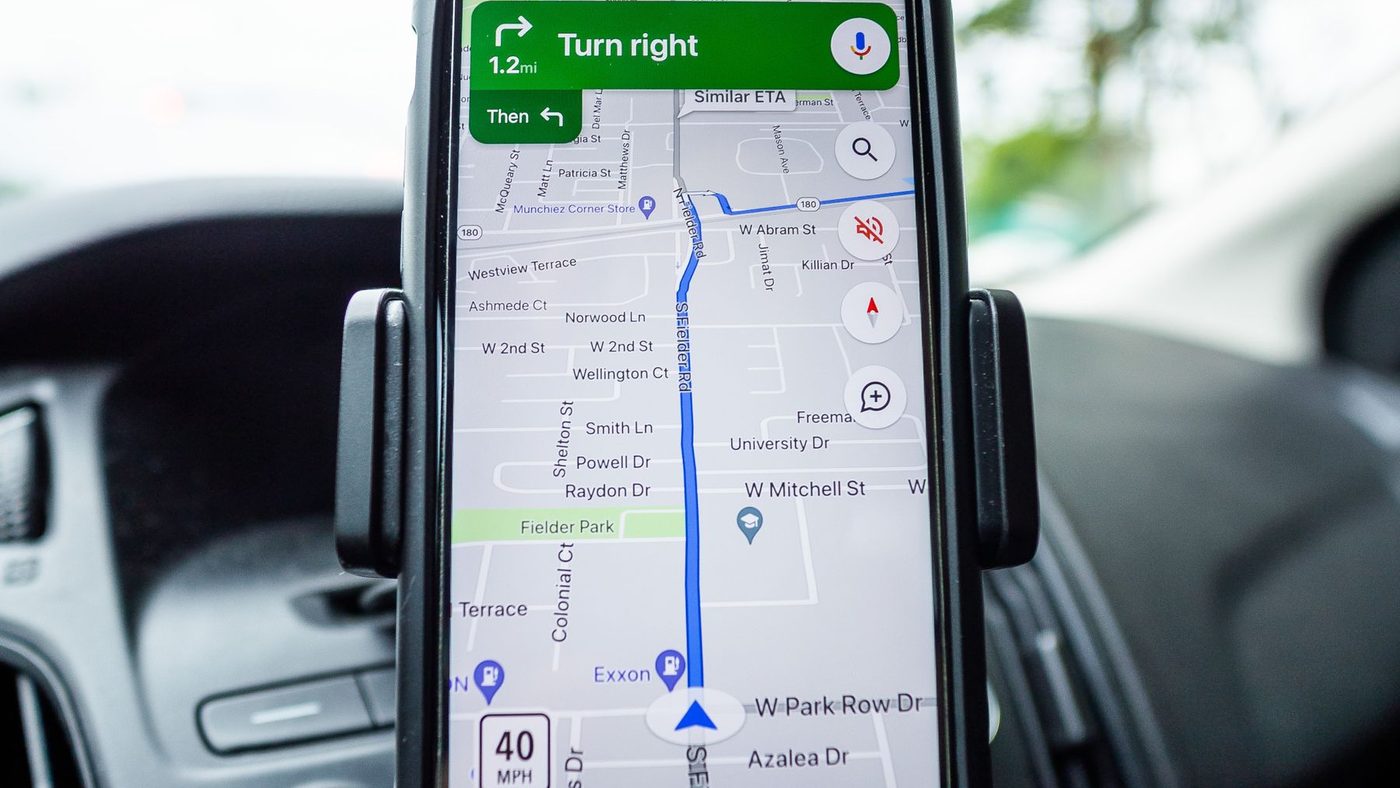
A tracker reports on an interval. Shorter intervals mean a more current position, more
data and more battery and bandwidth consumed. A ten-second interval is genuinely live
for security work; a two-minute interval is perfectly adequate for knowing which depot
a truck is near. Ask any provider what their interval is, and whether it changes when
the ignition is off.
The three hardware families
- OBD-II plug-in. Into the diagnostic port, live in under two
minutes, no installer. Trivial to move between vehicles — and equally trivial for
someone to unplug.
- Hard-wired. Fitted to the loom, roughly 30–45 minutes per
vehicle. Concealed, tamper-resistant, and the only option that supports fuel
probes, driver ID and temperature sensors.
- Battery-powered. For trailers, containers and plant with no
reliable supply. Reporting interval is the trade-off against battery life.
Coverage, and what happens when there isn't any
No network is complete. The question is what the device does in the gap. A unit with
an offline logger records while out of coverage and uploads when the connection
returns, leaving no hole in the history. A unit without one simply loses that stretch
of the journey — and you will not know which stretches are missing.
Security features that matter
If theft prevention is the reason you are buying, three features do most of the work:
jammer detection (with a programmable response, not just a log entry), a backup
battery so cutting the main supply doesn't end the story, and remote immobilisation
that engages gradually rather than cutting an engine at speed.
Choosing by vehicle, not by brochure
Private car, self-install: OBD-II. Motorbike or a fit that must be invisible: the
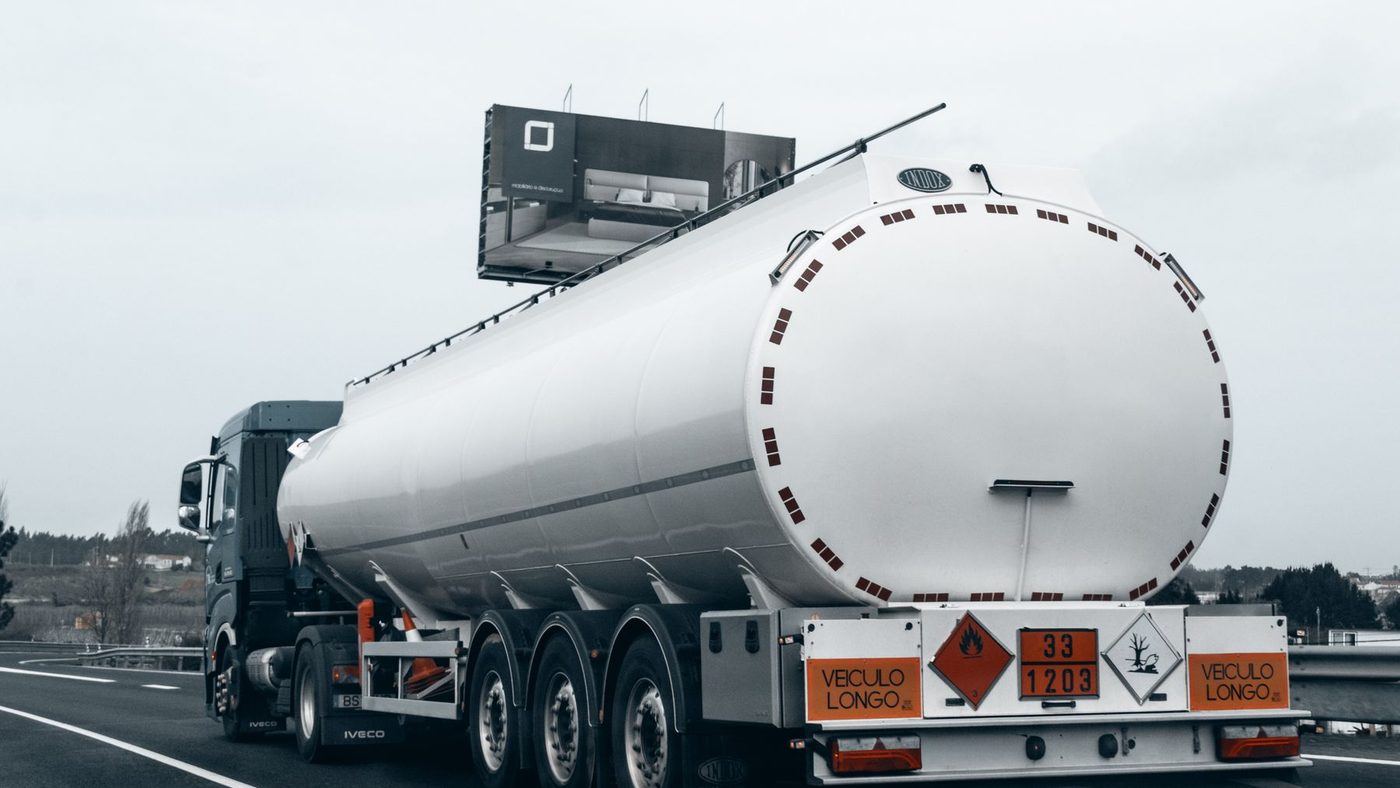
smallest unit available. Van or company car fleet: compact hard-wired. Truck or tanker
with fuel monitoring: a fleet-grade wired unit with a probe. Plant and generators: a
heavy-duty unit with a wide supply-voltage range that reports engine hours instead of
kilometres.
Questions worth asking before you sign
How long is history retained, and is playback the same duration as reporting? Can
reports be scheduled without anyone logging in? Is there an API if you later want the
data in your own systems? And who answers the phone at 3am — the provider, or a
voicemail box?