Theft & siphoning alerts
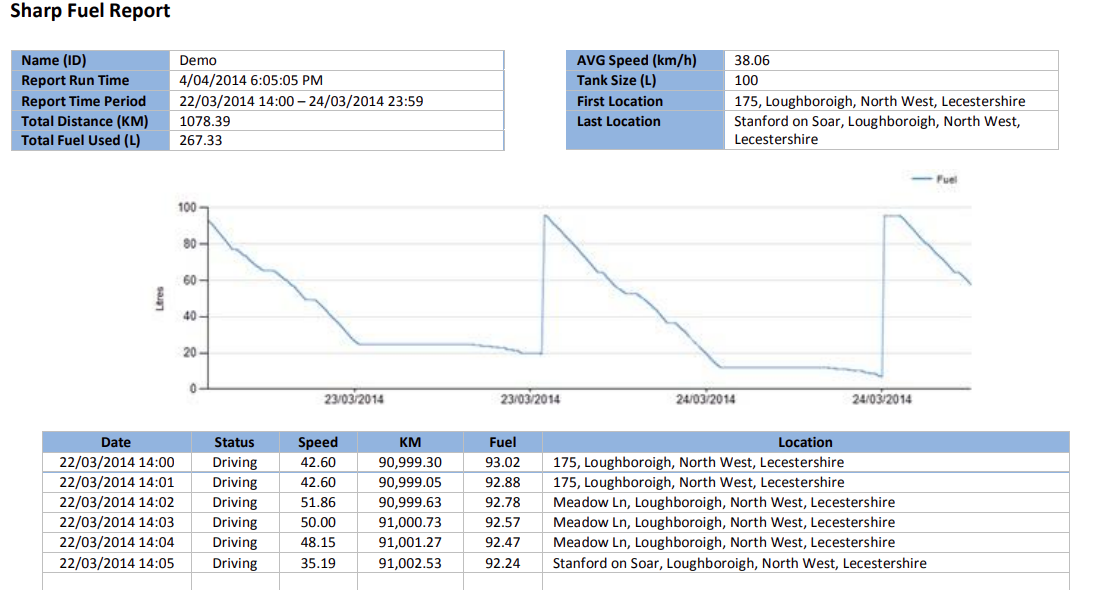
A sudden drop in tank level outside a refuelling event triggers an immediate alert rather than a month-end discrepancy.
Fuel Monitoring
Research consistently puts fuel at the highest share of a fleet's total operating expense. That makes it the one number worth measuring precisely rather than estimating from receipts at month end.
Two methods
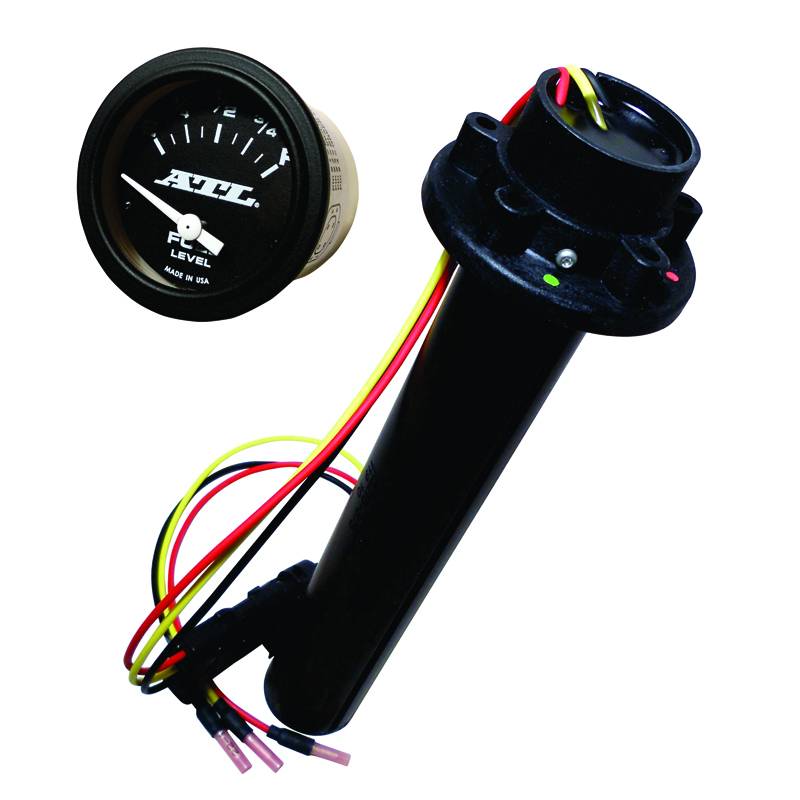
NaxerTech monitors fuel two ways. The vehicle's own fuel gauge gives you trend-level visibility at no extra hardware cost. Our capacitive fuel probe gives you the precision needed to prove a theft happened, when, and how much left the tank.
Whichever you use, the data lands in the same Pegasus reports, so consumption per vehicle, per route and per driver is directly comparable across the fleet.
What it catches
A sudden drop in tank level outside a refuelling event triggers an immediate alert rather than a month-end discrepancy.
Every fill is logged with volume, time and location — so the receipt and the tank agree, or you find out why.
Actual and estimated consumption per vehicle, showing fuel economy across daily, weekly and monthly periods.
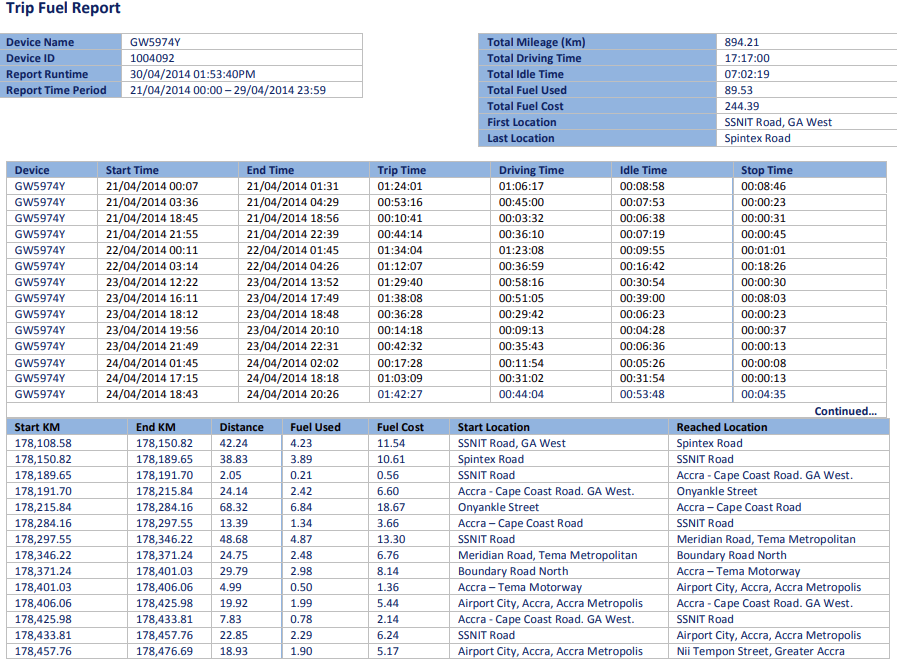
Engine-on-while-standing time converted into litres and money, per vehicle and per driver.
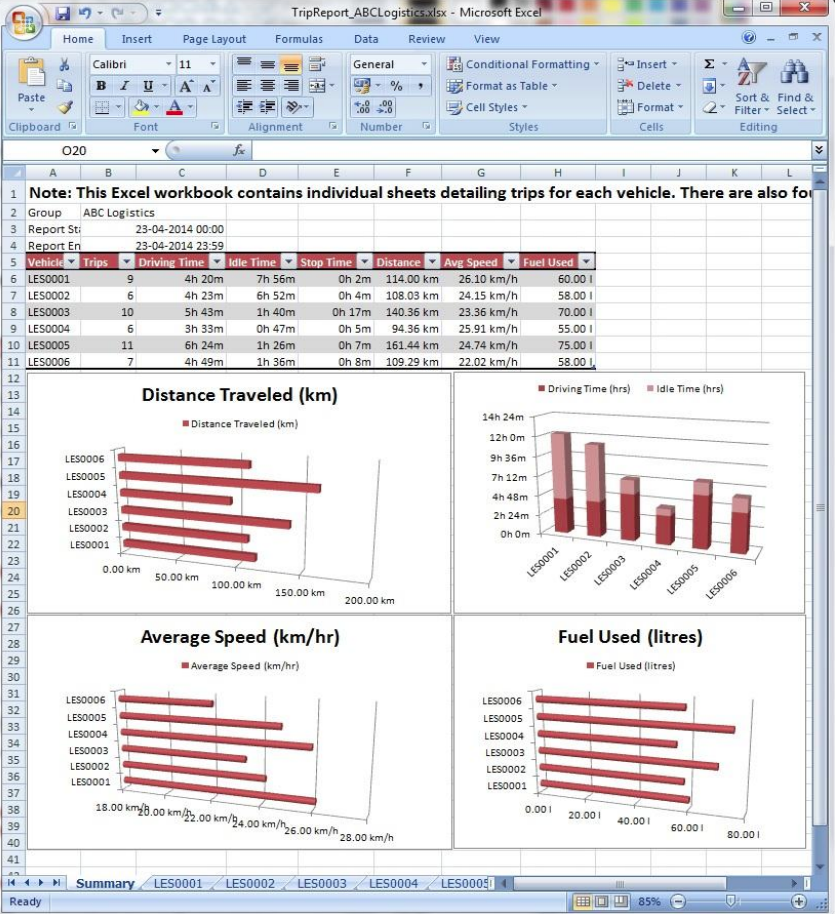
Delivered as Excel, Word or PDF to whoever signs off the fuel budget, on the frequency you choose.
Where a probe isn't fitted, manual fill entries still feed the same consumption and cost analysis.
The probe
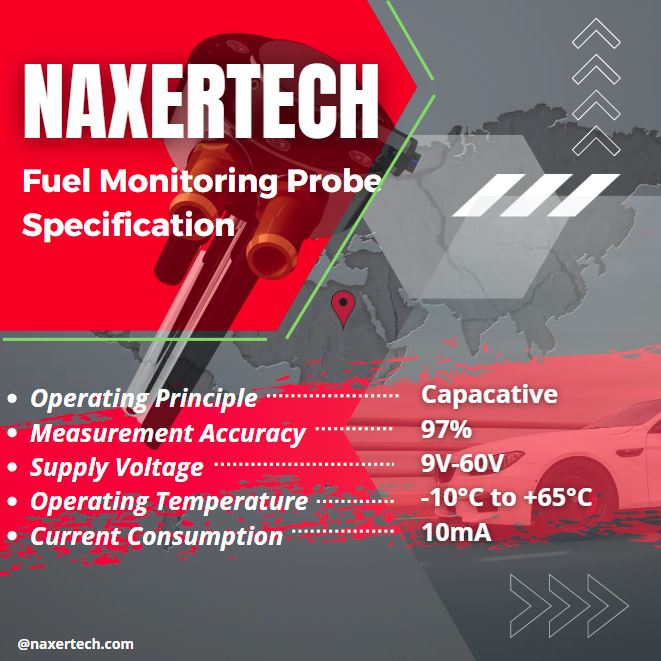
Fuel probes live in a hostile environment — vibration, temperature swings, electrical noise and a conductive liquid. Ours is built to keep reading accurately anyway.
Reporting
Fuel data is only useful if someone reads it. These land in an inbox on a schedule, in a format finance already works with.
We'll calibrate a probe to your tank and show you the first week of data before you commit to the fleet.