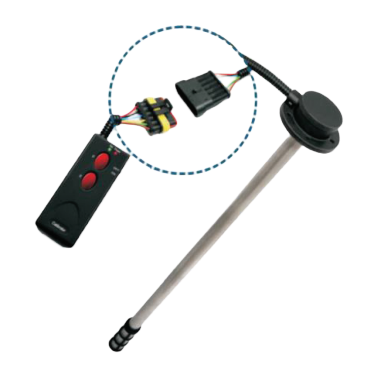
Fuel probe
Capacitive tank probe with a real-time operating system, insulated power and data lines and encapsulated electronics. Detects siphoning and every refuelling event individually.
Add-ons
A position on a map is a starting point. Attach the right sensor and the same device starts answering questions about fuel, temperature, who was driving and whether the load was opened.
Capacitive tank probe with a real-time operating system, insulated power and data lines and encapsulated electronics. Detects siphoning and every refuelling event individually.
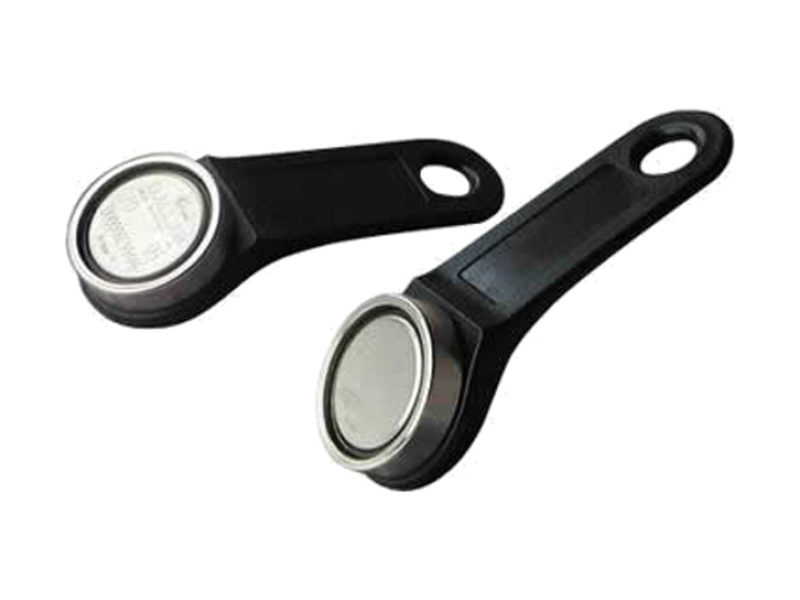
Each driver carries a unique key they touch before the journey, so every trip, every harsh brake and every over-speed event attaches to a named person.
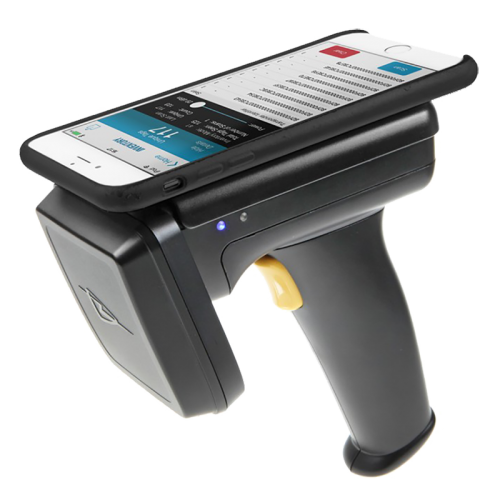
Contactless driver or asset identification where a touch key isn't practical — useful for shift-based operations and shared vehicles.
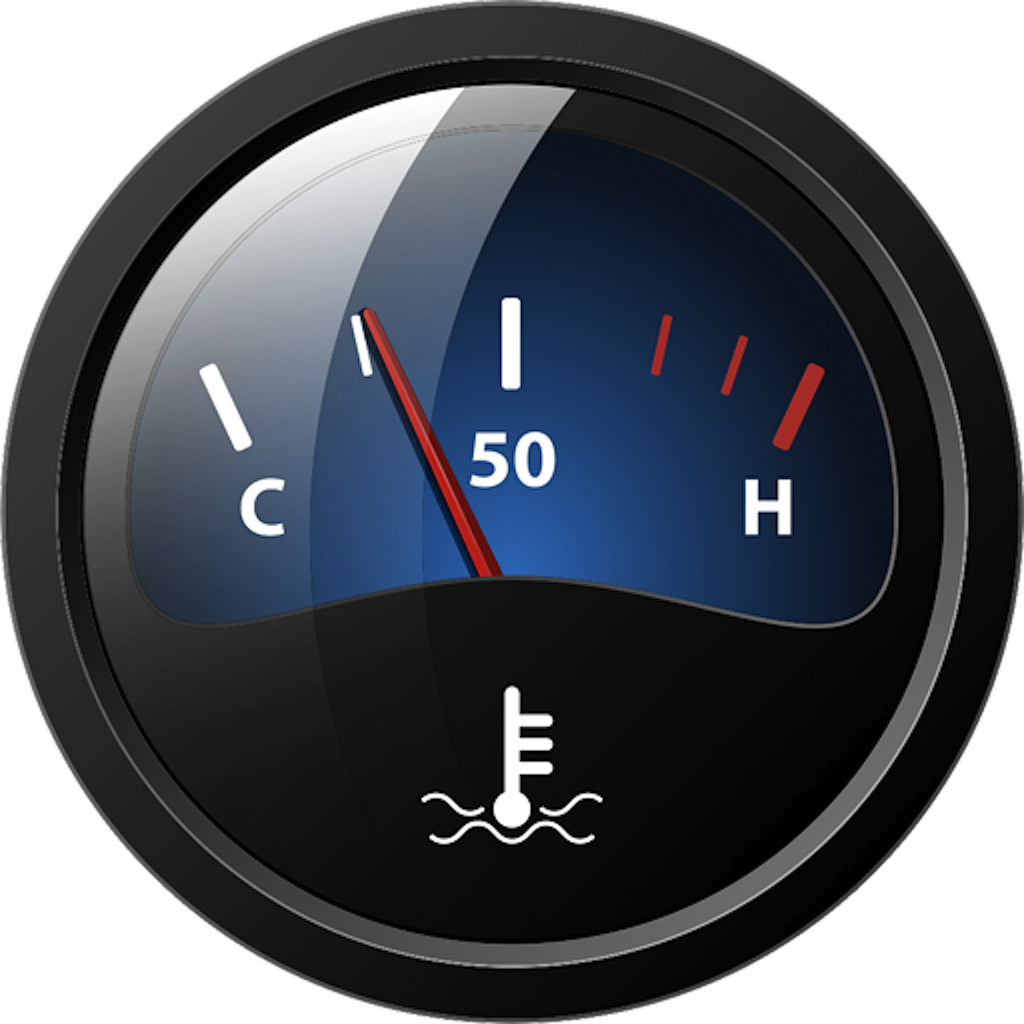
Digital sensors with 0.3 °C accuracy for reefer trucks and cold stores. Up to six wired temperature and four humidity sensors per NTT-101 unit.

An in-cab display for messaging and job dispatch, giving the driver information without a separate device to manage.

Lets the control room or an authorised number speak to the driver directly from the vehicle — for dispatch and for emergencies.
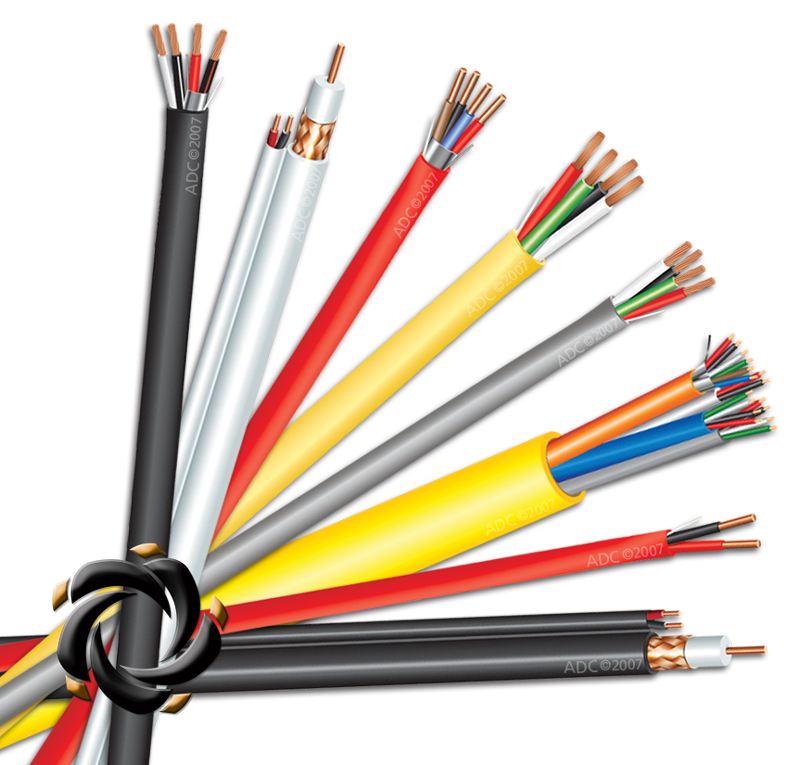
Purpose-made looms for each device and vehicle class, so installs are consistent and serviceable rather than improvised.
Also available
Not every requirement needs its own product page. These are fitted regularly and quoted alongside the device.
Cabin or road-facing capture alongside the tracking record.
Belt state logged as an event and reportable per driver.
Illegal door open alerts, and door events tied to temperature spikes.
Additional connectivity where a site or asset has no other link.
Voice-enabled tracking
Two-way voice gives the customer a choice about security level and how accessible driving personnel are. For cash-in-transit, ambulance and high-value cargo it is often the feature that closes the gap between an alert and a resolution.
Tell us what you need to measure and we'll tell you which sensors it takes — and which you don't need.