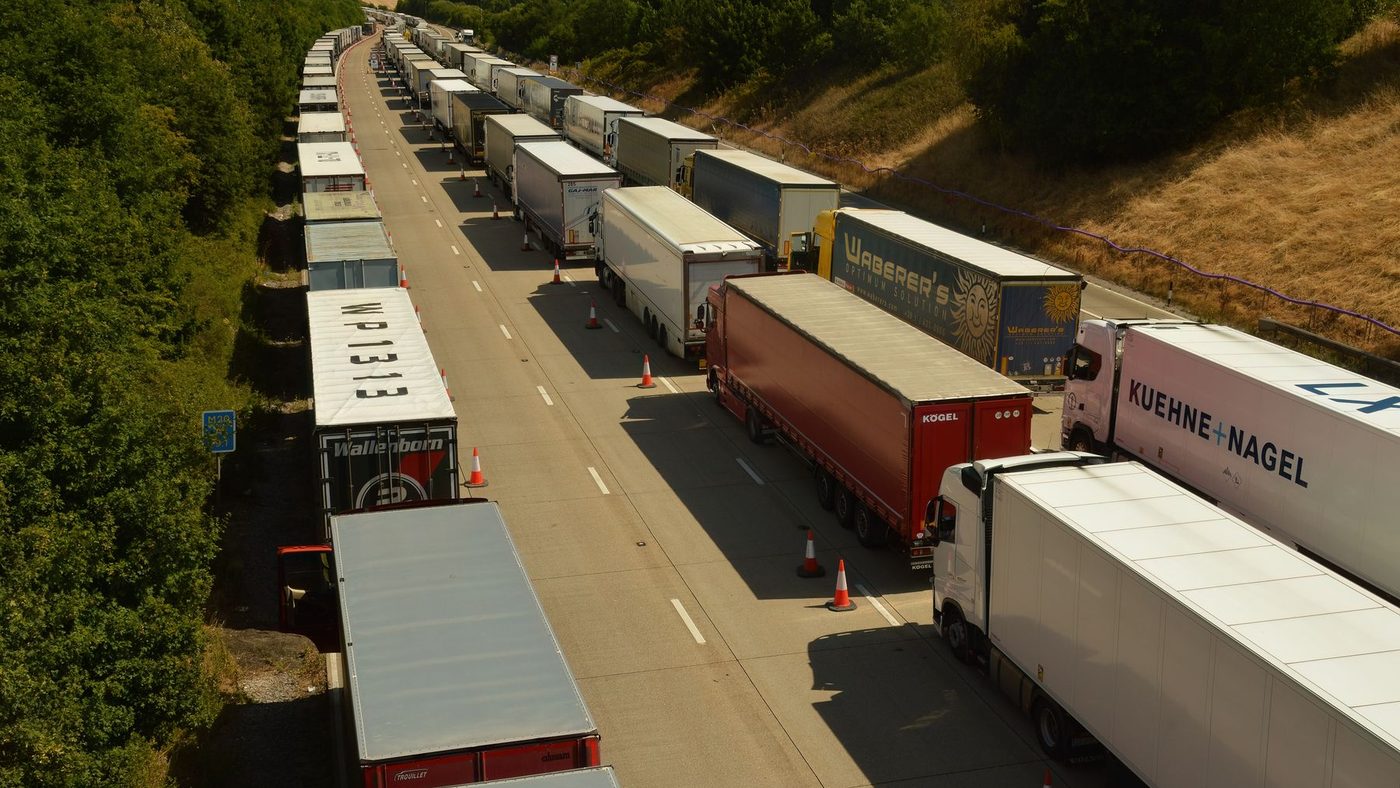
How unnecessary idling wastes fuel, and how tracking helps
An idling engine burns fuel while producing zero kilometres of useful work. Why the waste stays hidden, and what it takes to measure it honestly.
Read moreDriver Safety
Harsh braking, speeding and rapid acceleration show up on the fuel bill and the repair invoice long before they show up as an accident.
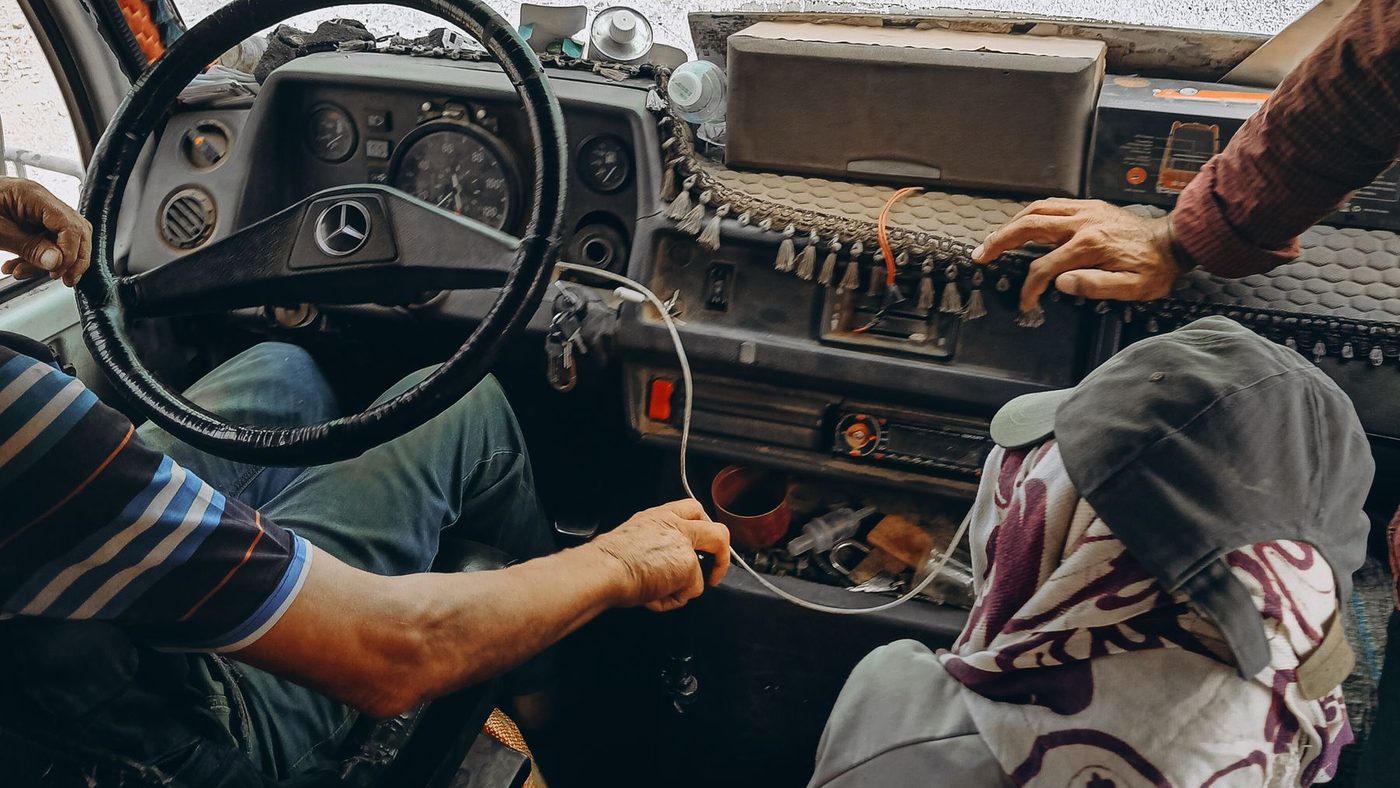
Unsafe driving behaviour, from harsh braking and speeding to sharp turns and improper overtaking, is one of the least visible costs a fleet carries, quietly driving up repair bills, insurance premiums, and accident risk long before a serious incident forces the issue into the open. This blog examines how these habits accumulate cost and delay for fleet operators across Pakistan, and how continuous monitoring gives businesses the visibility needed to address unsafe driving before it results in real damage.
When business owners think about the cost of running a fleet, fuel, maintenance, and vehicle depreciation usually come to mind first. Driver behaviour is easy to overlook because its effects build up gradually rather than appearing as a single line item on an invoice. Yet unsafe driving habits, left unaddressed, contribute directly to higher maintenance costs, increased accident risk, and operational delays that ripple through the rest of the business.
A driver who consistently brakes harshly, accelerates aggressively, or takes turns too quickly is placing additional mechanical stress on a vehicle with every trip. Over months and years, this translates into more frequent repairs, shorter component lifespans, and higher overall maintenance spend, even before accounting for the far more serious risk of an actual accident.
Several specific driving behaviours account for the majority of preventable wear and accident risk within a typical fleet.
Harsh braking. Sudden, forceful braking places significant strain on brake components and tyres, and is frequently a sign of following too closely or reacting late to road conditions.
Rapid acceleration. Aggressive acceleration increases fuel consumption and mechanical wear, and often correlates with other risky behaviours such as unsafe lane changes.
Speeding. Exceeding safe speed limits, whether posted limits or conditions-based safe speeds, is one of the most direct contributors to accident severity when incidents do occur.
Fast or sharp turns. Taking corners at excessive speed increases the likelihood of loss of control, particularly for larger vehicles or those carrying uneven loads.
Improper overtaking. Overtaking in unsafe conditions, on blind curves, in poor visibility, or without adequate clearance, is a significant contributor to serious accidents on routes connecting major cities such as Lahore, Multan, and Karachi.
Each of these behaviours is difficult to detect through casual observation. A fleet manager reviewing a vehicle after the fact has no way of knowing how many times a driver braked harshly that day, or how many corners were taken too fast, unless that information was captured as it happened.
Without a system in place to record driving behaviour, fleet managers are left with two limited sources of information: what a driver chooses to report, and what becomes visible after a vehicle is inspected or, in the worst case, after an accident occurs. Neither of these gives a business the ability to intervene before a problem escalates.
This creates a pattern where unsafe driving habits persist simply because they are invisible to management. A driver who has developed a habit of taking turns too quickly, for example, may continue doing so for months without any indication reaching the business, until the pattern eventually results in an accident, a damaged vehicle, or a costly insurance claim.
A tracking system capable of detecting harsh braking, rapid acceleration, speeding, sharp turns, and improper overtaking gives fleet managers visibility that was previously unavailable. Each of these events is recorded as it happens and reflected in a driver safety report that ranks and scores individual drivers based on their driving patterns over a given period.
This shifts the conversation from a reactive one, addressing an incident after it has already occurred, to a proactive one, identifying and correcting risky patterns before they lead to damage or injury. A fleet manager reviewing driver scores on a weekly basis can identify which drivers require additional coaching, which routes see the most frequent unsafe events, and whether a particular vehicle is being driven differently from the rest of the fleet.
Access to this reporting is not limited to a single person within the business. Anyone with appropriate access to the platform, whether through the app or the web portal, can review driver safety scores and event history, making it straightforward for operations managers, safety officers, and business owners to stay informed without needing a separate reporting process.
One of the more consistent findings among fleets that adopt driver behaviour monitoring is a meaningful reduction in unsafe driving incidents simply as a result of drivers knowing their behaviour is being recorded. This is not a punitive dynamic in most cases. Drivers who understand that harsh braking, speeding, and other risky behaviours are visible to management tend to adjust their driving naturally, without requiring direct intervention for every incident.
Over time, this produces a fleet that is measurably safer, with fewer accidents, lower repair costs, and reduced insurance risk, all stemming from a shift in driver behaviour that monitoring alone tends to encourage.
NaxerTech’s platform detects harsh braking, rapid acceleration, speeding, fast turns, and improper overtaking as they occur, compiling this data into a driver safety report that ranks and scores drivers based on their behaviour over the selected reporting period. Detailed event data, including maximum speed and individual harsh braking events, is available alongside broader fleet usage and utilisation figures, giving fleet managers a complete picture of both vehicle activity and driver conduct in one place.
This level of detail reflects an approach to product development that has positioned NaxerTech among the more established names in vehicle tracking and fleet management technology in Pakistan. Rather than treating driver safety as an afterthought bolted onto a basic tracking device, the underlying platform, spanning both the mobile app and the web based portal, has been built specifically around giving fleet managers actionable insight rather than raw, unfiltered data.
A system that simply reports a speeding event is far less useful than one that contextualises that event against a driver’s broader pattern of behaviour, and it is this kind of thoughtful platform design that continues to shape how NaxerTech’s tools are developed.
The underlying hardware matters just as much as the software built on top of it. NaxerTech’s tracking devices are engineered for consistent performance across the demanding conditions found throughout Pakistan, from extreme summer heat to long haul routes covering hundreds of kilometres without interruption.
Reliable device performance is what makes accurate driver behaviour reporting possible in the first place. A device that drops connectivity or produces inconsistent readings undermines the entire premise of behaviour based monitoring, which is why hardware reliability has remained a consistent priority in how NaxerTech designs and tests its devices.
This combination of dependable hardware and a genuinely useful reporting platform is reflected in the experience of businesses already using the system. Fleet operators across Lahore, Karachi, and Islamabad who have adopted NaxerTech’s driver monitoring tools consistently report high satisfaction with both the accuracy of the data and the clarity of the reporting, along with a noticeable improvement in driver conduct once monitoring is in place.
This reporting is accessible to anyone with the appropriate permissions through the app or web portal, without any additional distribution required, making it straightforward for operations managers, safety officers, and business owners alike to stay informed.
All NaxerTech devices are PTA compliant, with installation included at no additional charge. Every device is backed by a one year warranty, extended for as long as regular payments continue, and supported by round the clock assistance through an always active call centre.
For fleet owners across Pakistan managing drivers across cities such as Lahore, Karachi, and Islamabad, this level of visibility turns unsafe driving from an invisible, ongoing cost into a measurable, manageable one. It is this combination, dependable devices, a thoughtfully built platform, and consistently responsive support, that has made NaxerTech a trusted choice for fleet owners looking to move beyond basic tracking and toward genuine fleet safety management.
Keep reading
An idling engine burns fuel while producing zero kilometres of useful work. Why the waste stays hidden, and what it takes to measure it honestly.
Read more
Most fleets are bigger than they need to be, and cannot prove it. Where utilisation quietly leaks away, and the reports that bring it back into view.
Read more
Cash-in-transit vehicles and financed vehicles sitting on a loan book are two very different forms of exposure. Tracking addresses both.
Read moreTalk to our team about the right tracker, the right package and a live walkthrough of Pegasus — no obligation.