How banks and financial institutions protect vehicle-based assets with GPS tracking
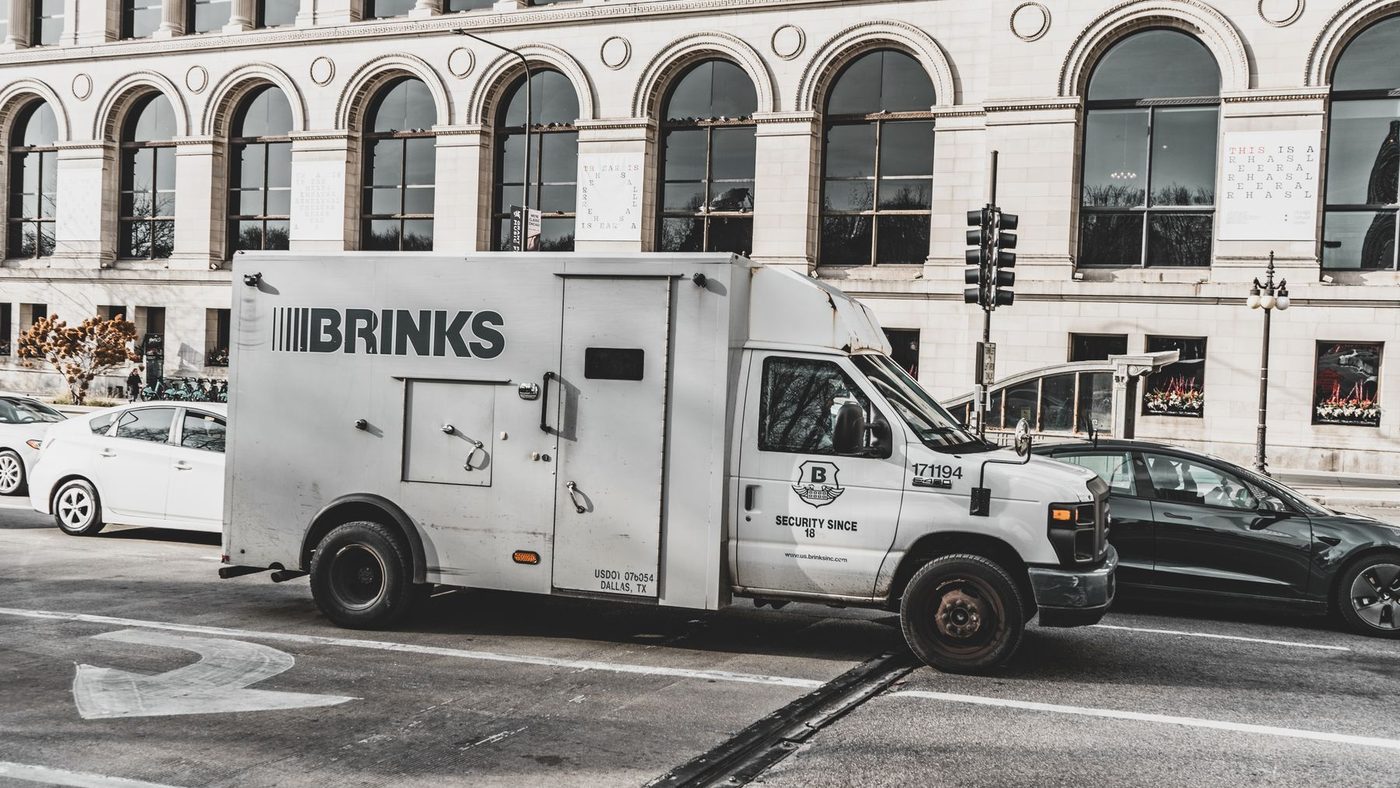
Cash-in-transit vehicles and financed vehicles sitting on a loan book are two very different forms of exposure. Tracking addresses both.
Read moreReporting
Most fleets are bigger than they need to be, and cannot prove it. Where utilisation quietly leaks away, and the reports that bring it back into view.

A fleet that looks fully occupied on paper is often quietly underused in practice, with vehicles sitting idle on certain shifts, drivers logging far less active time than expected, and assets generating a fraction of the value their purchase price implies. This blog looks at why fleet utilisation is so difficult to judge without proper reporting, and how NaxerTech's extensive reporting suite gives Pakistani fleet owners the visibility needed to get more out of every vehicle on the road.
Every vehicle added to a fleet represents a fixed cost, whether it is being driven for eight hours a day or sitting in a yard for most of the week. Business owners naturally focus on keeping vehicles roadworthy and drivers assigned, but the actual rate at which those vehicles are used, and how that usage compares across shifts, routes, and drivers, is much harder to judge from observation alone.
A fleet can appear busy without being efficient. One vehicle might be doing the work of two while a second sits mostly unused, and without a way to compare utilisation across the fleet as a whole, this kind of imbalance tends to persist simply because nobody has visibility into it. Over time, underused vehicles become a quiet drain on the business, tying up capital and depreciating in value while contributing far less than they could.
Several common patterns explain why fleet utilisation tends to fall short of its potential without active measurement.
Uneven vehicle usage. Some vehicles are dispatched consistently while others are only used occasionally, often because scheduling defaults to familiar vehicles rather than balancing usage across the fleet.
Unreported downtime. A vehicle sitting unused due to a minor fault, missing paperwork, or driver unavailability may not surface as a problem until someone actively checks on it.
Shift imbalances. A vehicle that performs well during a first shift may sit largely unused during a second, a pattern that is easy to miss without a report that separates usage by shift.
Driver-related inefficiency. Excess idling, unsafe driving habits, and inconsistent route discipline all reduce the effective output a fleet gets from a given vehicle, even when the vehicle itself is technically in service.
None of these patterns are obvious from a quick check of the yard or a glance at the schedule. Recognising them requires data collected consistently over time and organised into a form a fleet manager can actually compare against.
Without structured reporting, fleet managers are generally left comparing vehicles informally, based on memory, driver feedback, or the occasional spot check. This approach breaks down quickly as a fleet grows past a handful of vehicles, and it almost never captures shift-level detail or exception cases such as a vehicle that has not moved in days.
This creates a situation where underutilisation becomes normalised. A vehicle contributing well below its potential can continue operating that way for months, quietly costing the business money in maintenance, depreciation, and opportunity cost, simply because no one has a clear enough picture to notice.
A reporting suite built specifically around fleet utilisation and safety gives managers a structured way to see exactly how each vehicle is performing, not just whether it is technically operational. Rather than a single number, meaningful utilisation reporting breaks performance down by vehicle, by shift, and by exception, so that specific problems can be identified rather than inferred.
This shifts fleet management from a reactive exercise, discovering underused vehicles by accident, to a proactive one, reviewing utilisation on a regular basis and reallocating vehicles, adjusting schedules, or investigating exceptions before they become an entrenched pattern. With over 50 reports available across NaxerTech's platform, covering everything from vehicle usage and shift performance to driver safety and idle time, fleet managers have the depth of visibility needed to manage a fleet by evidence rather than assumption.
Utilisation and safety are often treated as separate concerns, but they are closely connected. A vehicle driven unsafely, with frequent harsh braking or speeding, is not just a safety risk, it is also likely being used inefficiently, with wasted fuel, excess wear, and driving patterns that reduce the effective value of every kilometre covered. Reviewing utilisation and safety data together gives a fuller picture of which vehicles and drivers are genuinely contributing to fleet performance, and which require attention on one front or both.
NaxerTech's reporting suite covers more than 50 individual reports, spanning fleet availability, vehicle and shift level utilisation, driver safety, and exception tracking, giving fleet managers a genuinely complete picture of how their vehicles are performing across every dimension that matters.
This depth of reporting reflects an approach to product development that has positioned NaxerTech among the more established names in vehicle tracking and fleet management technology in Pakistan. The Fleet Dashboard presents a Management Summary covering fleet-wide totals, reporting percentage, distance covered, and idle time, alongside a Usage Summary that breaks utilisation down per vehicle across overall, first shift, and second shift performance, so that shift-level imbalances are immediately visible rather than buried in aggregate figures.
Exception worksheets flag the specific cases that typically go unnoticed without dedicated reporting: vehicles marked Not Reporting or Under Maintenance, vehicles that recorded zero kilometres over the period, vehicles that were Not Started By an expected time, and vehicles with excess idle time. On the safety side, the Driver Safety Report scores and ranks vehicles based on harsh braking, speeding, and driving time over the limit, while the detailed Safety Violations Report gives the time, location, and type of each qualifying event. Together, these reports let a fleet manager move from a general sense that something might be off to a specific, actionable list of vehicles and drivers that need attention.
None of this reporting is possible without dependable hardware capturing location, ignition state, and driving data consistently in the field. NaxerTech's tracking devices are engineered to maintain accurate readings under the conditions common to Pakistani fleets, from extended hours in high heat to the vibration and power fluctuations typical of long haul and urban delivery routes alike.
Reliable device performance is what allows utilisation and safety reporting to be trusted at the level of detail fleet managers need. A device that drops connectivity or produces inconsistent readings undermines the accuracy of every report built on top of it, which is why hardware reliability has remained a consistent priority in how NaxerTech designs and tests its devices.
This combination of dependable hardware and a genuinely comprehensive reporting platform is reflected in the experience of businesses already using the system. Fleet operators across Lahore, Karachi, and Islamabad who rely on NaxerTech's reporting suite consistently report high satisfaction with both the depth of the data available and the clarity with which it is presented, along with measurable improvements in how efficiently their vehicles are used once reporting is in place.
This reporting is accessible to anyone with the appropriate permissions through the app or web portal, without any additional distribution required, making it straightforward for operations managers and business owners alike to stay informed.
All NaxerTech devices are PTA compliant, with installation included at no additional charge. Every device is backed by a one year warranty, extended for as long as regular payments continue, and supported by round the clock assistance through an always active call centre, ready to help fleet managers configure reporting to match how their business actually operates.
For fleet owners across Pakistan managing vehicles across cities such as Lahore, Karachi, and Islamabad, this depth of reporting turns fleet utilisation from a rough impression into a measurable, manageable performance metric. It is this combination, dependable devices, a thoughtfully built platform, and consistently responsive support, that has made NaxerTech a trusted choice for fleet owners looking to get the full value out of every vehicle they operate.
Keep reading
Cash-in-transit vehicles and financed vehicles sitting on a loan book are two very different forms of exposure. Tracking addresses both.
Read more
The criteria that actually decide whether a tracking deployment succeeds — and the ones that look important in a demo but stop mattering by month three.
Read more
Trust is earned long before the first tracker is fitted. The questions fleet owners ask, and the answers that separate a vendor from a partner.
Read moreTalk to our team about the right tracker, the right package and a live walkthrough of Pegasus — no obligation.