
5 signs your business needs a fleet management system
Rising fuel bills you cannot explain, customers asking where their delivery is, and breakdowns that always arrive as a surprise. The symptoms worth acting on.
Read moreFleet Management
The six pillars every fleet runs on — tracking, fuel, driver behaviour, maintenance, compliance and reporting — and why informal methods stop scaling.
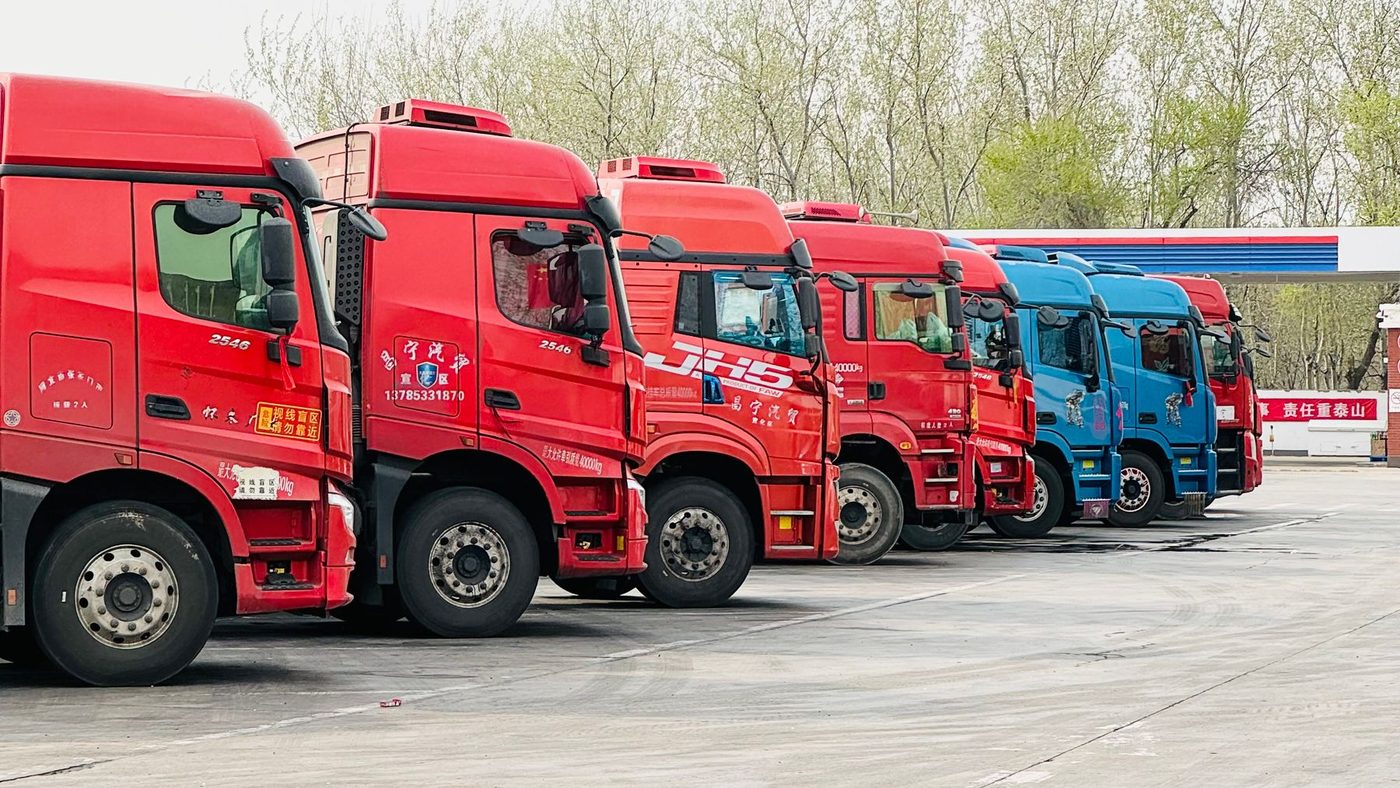
Fleet management covers far more than simply knowing where a vehicle is at a given moment. From maintenance scheduling and fuel control to driver behaviour and regulatory compliance, businesses operating vehicles in Pakistan, whether a handful of delivery vans in Lahore or a large logistics fleet spanning Karachi, Islamabad, and beyond, depend on a set of core practices to keep operations efficient and costs under control. This blog provides an overview of the main pillars of fleet management and why each one matters to a growing business.
Fleet management refers to the set of practices a business uses to oversee its vehicles, drivers, and related operations in a way that keeps costs predictable, vehicles reliable, and the business compliant with relevant regulations. For a business owner with one or two vehicles, much of this can be handled informally. Once a fleet grows, informal methods stop scaling, and the absence of structured processes tends to show up directly in rising costs, missed deliveries, and preventable vehicle downtime.
The following pillars form the foundation of effective fleet management for businesses of any size operating in Pakistan.
The starting point for most fleet management efforts is knowing where every vehicle is and what it is doing at any given time. GPS tracking provides this visibility, giving fleet managers real time location data along with historical route information for every vehicle in the fleet.
This matters beyond simple curiosity. A dispatcher managing deliveries across Lahore and surrounding areas needs to know whether a vehicle is on schedule, whether a route deviation has occurred, and how long a vehicle has spent at a given stop. Without this data, fleet managers are left relying on driver reports, which are often incomplete or delayed.
Fuel represents one of the largest recurring costs for any fleet, and it is also one of the areas most prone to loss through inefficiency or misuse. Businesses without proper fuel monitoring in place often discover, once they begin tracking consumption closely, that a meaningful percentage of fuel expenditure was going toward unauthorised use, unnecessary idling, or theft rather than legitimate business activity.
Modern fuel management tools track consumption patterns against distance travelled, flag unusual refuelling events, and identify vehicles that idle excessively, a common issue in cities with heavy traffic such as Karachi. Addressing these patterns typically produces savings that justify the cost of monitoring several times over.
How a vehicle is driven has a direct effect on fuel consumption, maintenance costs, and safety outcomes. Harsh braking, rapid acceleration, and speeding all increase wear on a vehicle and raise the likelihood of accidents, which carry their own direct and indirect costs, from repair bills to insurance claims to reputational damage when a company vehicle is involved in an incident.
Fleet management systems that monitor driver behaviour give business owners visibility into these patterns across the fleet, rather than learning about a problem only after an accident or a major repair bill. Many businesses find that simply making driving behaviour visible, without punitive measures, leads to noticeable improvements as drivers adjust their habits.
Unplanned vehicle downtime is one of the more disruptive and expensive problems a fleet can face. A vehicle that breaks down mid route not only requires repair, it also disrupts scheduled deliveries, may strand goods in transit, and often costs considerably more to fix than a problem caught during routine maintenance.
Structured fleet management includes a maintenance schedule based on mileage, engine hours, or time intervals, rather than waiting for a vehicle to develop a visible fault. Businesses operating across long distances, such as routes connecting Multan, Sukkur, and Hyderabad, have particular reason to stay ahead of maintenance needs, since a breakdown far from a service centre carries added cost and delay.
Vehicles used for commercial purposes in Pakistan are subject to a range of regulatory requirements, including registration, fitness certification, and route permits depending on the nature of the business. Non-compliance can result in fines, vehicle impoundment, or delays that disrupt operations.
Fleet management includes keeping track of renewal dates, ensuring documentation is current, and maintaining records that can be produced if required by authorities. For fleets of any meaningful size, tracking this manually across multiple vehicles becomes error prone, and missed renewals are a common and avoidable source of operational disruption.
Every pillar above generates data, and the value of that data depends on how accessible and usable it is. Effective fleet management relies on consolidated reporting that brings together location history, fuel consumption, driver behaviour, and maintenance records into a format business owners and managers can actually use to make decisions.
Without this consolidation, a fleet manager may have access to plenty of raw information without a clear picture of overall fleet performance. Good reporting turns scattered data points into actionable insight, whether that means identifying the least efficient vehicle in the fleet, the driver with the most flagged incidents, or the route with the highest fuel cost per delivery.
These six pillars, tracking, fuel management, driver behaviour, maintenance, compliance, and reporting, do not operate independently in practice. A fleet management platform that connects them gives business owners a complete operational picture rather than a series of disconnected data points. A vehicle flagged for excessive idling, for instance, might also show a pattern of harsh braking and be due for maintenance, information that is far more useful when viewed together than when scattered across separate systems.
For business owners across Pakistan managing fleets of any size, from a small operation in Faisalabad to a larger logistics business coordinating across Lahore, Karachi, and Islamabad, understanding these core pillars is the first step toward building a fleet operation that runs efficiently and scales without a proportional rise in cost and complexity.
NaxerTech’s Pegasus platform brings tracking, fuel monitoring, driver behaviour analysis, and detailed reporting together in a single system, giving fleet owners the consolidated visibility described above without needing to manage separate tools for each function. All devices are PTA compliant, installation is included at no additional charge, and every device is supported by a one year warranty, extended for as long as regular payments continue, backed by round the clock support through an always active call centre.
Keep reading
Rising fuel bills you cannot explain, customers asking where their delivery is, and breakdowns that always arrive as a surprise. The symptoms worth acting on.
Read more
In a country where summer routes run well past 40°C, a two-degree excursion is a written-off consignment. How continuous temperature logging prevents it.
Read more
Harsh braking, speeding and rapid acceleration show up on the fuel bill and the repair invoice long before they show up as an accident.
Read moreTalk to our team about the right tracker, the right package and a live walkthrough of Pegasus — no obligation.